Monday, 6 September 2021

Saturday, 4 September 2021
Response to text: Disability in the Paralympics
Disability in the Paralympics
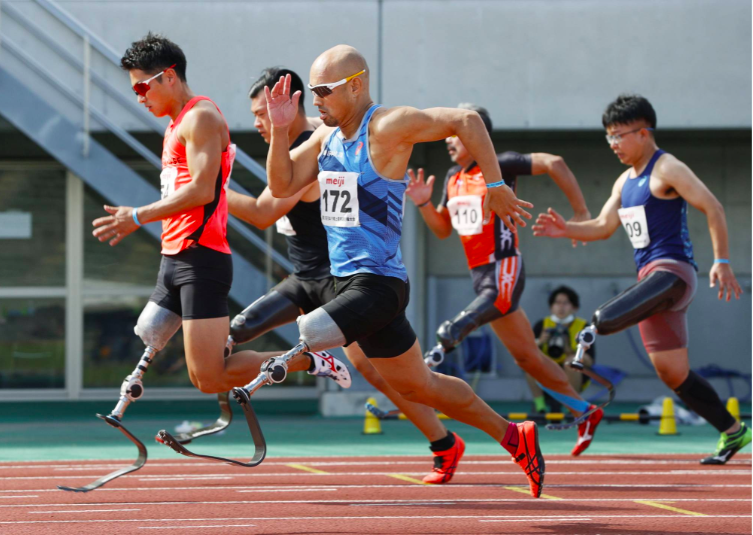
Highlight the correct answer, or type in what you think is correct.
1. The method used throughout the Paralympics movement to create and run fair athletic competitions is called
a) Ability Classification b) Disability Classification
c) Natural Classification d) Artificial Classification
2. To qualify for the Paralympics an athlete who is an amputee might have
a) a leg missing b) a toe missing
c) a finger missing d) no hair
3. Cerebral Palsy is a genetic disease that affects
a) your height (how tall you are) b) the colour of your hair
c) how the brain works d) how a computer works
4. List some of the problems that a person with an intellectual disability might have
→vision impairment, mennejidus
Response to text: Disability in the Paralympics
5. True or False: An athlete with quadriplegia needs to use a wheelchair to compete
a) True b) False
6. Vision impaired athletes have lost their sense of
a) hearing b) touch
c) taste d) sight
7. What is the mission of Paralympic Sports?
→it is to inspire people that even though you have a disable
History of the Paralympics


Highlight the correct answer, or type in what you think is correct.
1. The name ‘Paralympics’ means
a) the Olympic Games b) Pt England Olympics
c) the side Olympics d) alongside the Olympics
2. The man responsible for organising an athletic competition for disabled war
veterans in 1948 (called the Stoke Mandeville Games) was
a) Mr Goodwin b) Mr Somerville
c) Ludwig Guttmann d) Mr Hughes
3. In 1960, the first Paralympic Games were held in
a) Auckland b) Rome
c) Sydney d) Paris
4. List some of the disabilities that Paralympic athletes might have
→leg length difference, arm length difference, missing limbs, and broken bones.
5. True or False: IPC stands for International Paralympic Committee
a) True b) False
6. In the Summer Paralympic Games, athletes can compete in
a) 5 sports b) less than 3 sports
c) more than a dozen sports d) 8 sports
7. What is one of the goals of the IPC?
→It is an education matter for kids..
Response to text: NZ Olympic Athletes 2020
New Zealand Olympic Athletes

Highlight the correct answer, or type in what you think is correct.
1. How many athletes represented New Zealand in the 2020 Tokyo Olympics?
a) 197 b) 220
c) 212 d) 32
2. When was Dame Valarie Adams born?
a) 9th October 1984 b) 6th October 1989
c) 6th October 1984 d) 12 November 1993
3. Where did Lisa Carrington grow up?
a) Auckland b) Tauranga
c) Hamilton d) Ōhope
4. What events does Lisa Carrington compete in?
→500m rowing
5. True or False: ‘Tom Walsh was born on 1st March 1992 in Timaru, New Zealand’ ?
a) True b) False
6. Who is Peter Burlings sailing partner?
a) Mr Hughes b) Mr Somerville
c) Blair Tuke d) Steven Adams
7. Describe Peter Burlings sailing career and some of his key highlight events
→The best victory in sailing in nz. They also won in the Rio olympics.
Friday, 3 September 2021
Response to Text: Fruit and Vegetables (Monday W6, T3)
Healthy Fruit and Veges

Highlight the correct answer, or type in what you think is correct.
1. A fruit is the part of the plant that contains the...
a) Roots b) Flowers
c) Seeds d) Money
2. What are the two different types of fruit?
a) Wet & Dry b) Fleshy & Dry
c) Hard & Soft d) Fleshy & Hard
3. Fruit is an important source of...
a) Vitamin A b) Vitamin B
c) Vitamin C d) Vitamin D
4. List 5 examples of “Root Vegetables”
→Onions. Onions are popular root vegetables, serving as a staple ingredient in many cuisines. ...
5. True or False: Cucumbers are vegetables
a) True b) False
6. Which of these is NOT in the article a cooking option for vegetables
a) Boiling b) Fried
c) Grilled d) Baked
7. Explain in your own words what makes a herbaceous plant different from a tree
→Fruits and vegetables are good for humans. It makes your bones grow so it can be healthy. Fruit is very good for you guys. If you don't like it, give it a try and you will get used to eating fruits and vegetables
Response to Text: Protein (Thursday W6, T3)
Protein: Meat and Beans
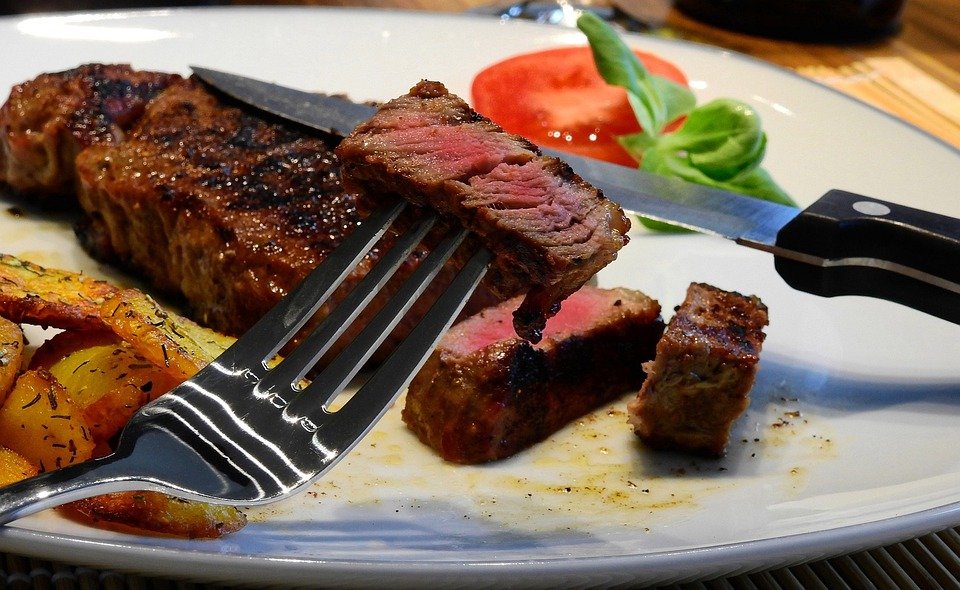
Highlight the correct answer, or type in what you think is correct.
1. Proteins are made up of molecules called
a) Acid b) Hydrochloric Acid
c) Proteins d) Amino Acids
2. Most common proteins contain more than...
a) 20 amino acids b) 40 amino acids
c) 80 amino acids d) 100 amino acids
3. Which of these proteins are responsible for fighting off disease and infections?
a) Collagen b) Enzymes
c) Antibodies d) Meat
4. List 5 examples of good things protein does in our body
→whole eggs are among the healthiest and most nutritious foods available. Almonds are a popular type of protein
5. True or False: Animal products, like meat, are NOT complete protein sources
a) True b) False
6. Explain why beans might be a good source of protein for people who don’t eat meat?
→ livestock farming has a vast environmental footprint. It contributes to land and water degradation,
Subscribe to:
Posts (Atom)